
The teacher walks, writes on the board and speaks at a normal volume. The system picks the voice up from above the teaching area and fills the room evenly — no handheld, no clip-on, nothing to wear.
Without reinforcement a teacher speaks far louder than conversation just to reach the back row — and the back row still strains. Voice strain builds up over a term.
Handheld and clip-on systems take a hand away from the board and the keyboard, need charging, and are usually passed from teacher to teacher.
A lectern gooseneck only works where the lectern is. Step to the board, or run a demonstration, and the voice drops out of the system.
Hung from the ceiling and aimed down at the front of the room. Beam-forming holds a normal speaking voice from several metres away.
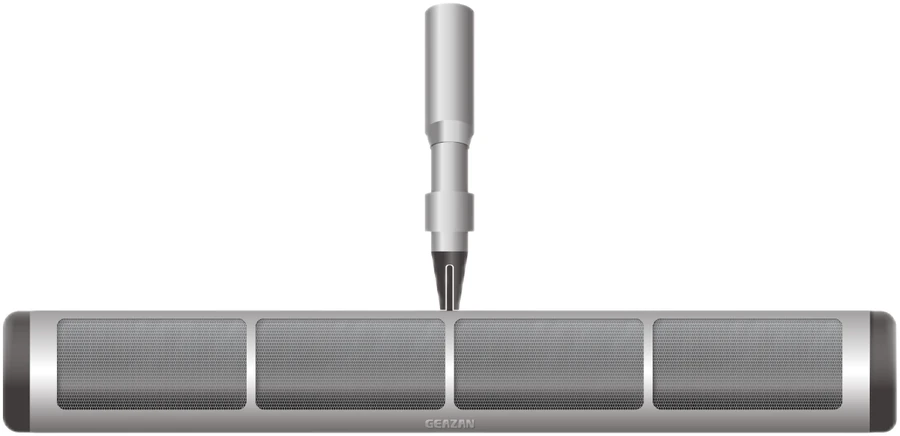
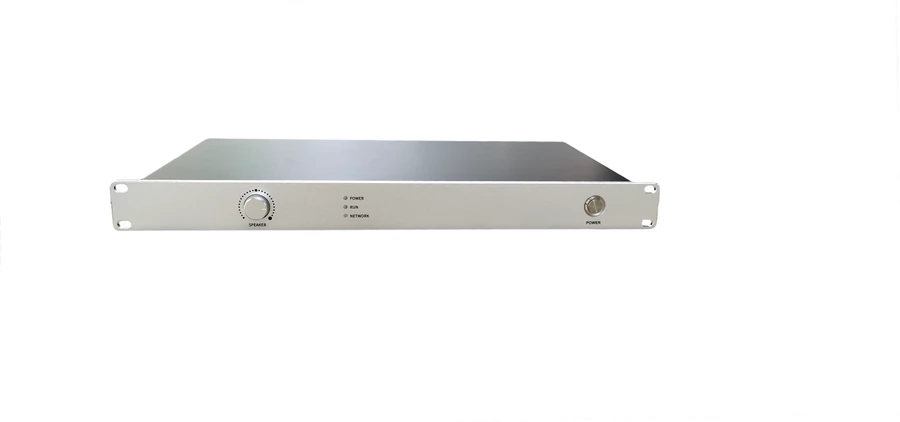
Echo cancellation, feedback suppression, noise reduction and automatic gain. This is what makes a distant microphone usable at classroom volume.
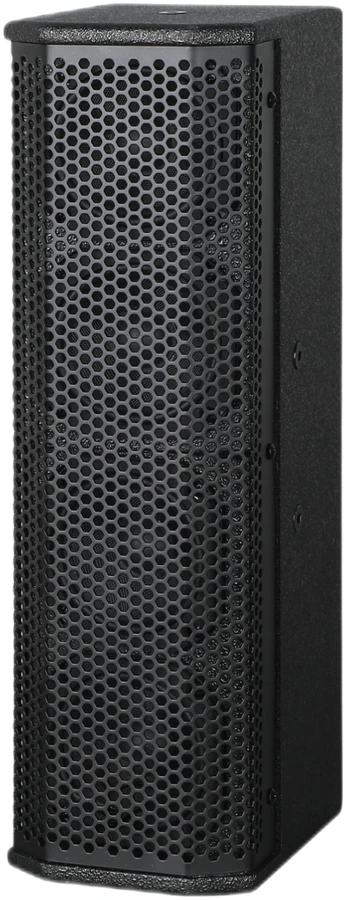
Wall or ceiling speakers laid out so the front row is not blasted and the back row is not lost.
The teacher walks, writes and demonstrates; the array follows the voice, not the lectern. Nothing is worn and nothing is handed over between lessons.
One pendant microphone over the teaching area, host in the lectern, two or four wall speakers.
Longer throw and more speakers; the array is aimed so the teacher can move across the whole front area.
Microphone out of sight in the ceiling, so the fit-out stays clean and the camera has a clean audio feed.
Several microphones covering the stage, mixed and processed as one system for events, lectures and demonstration lessons.